
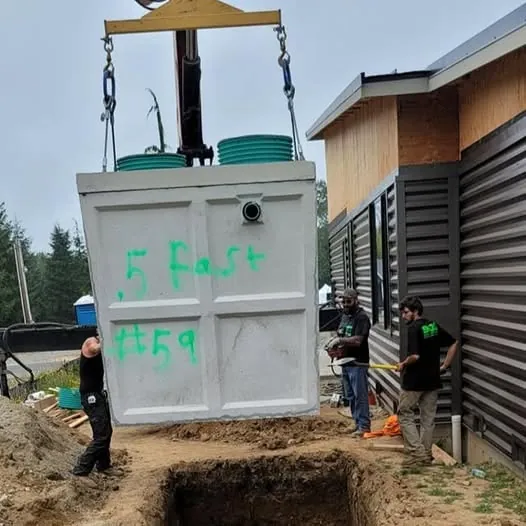
Soil testing is one of the first and most important steps before planning a septic system for a Bellevue property. A septic system does more than hold wastewater. It must treat that wastewater safely by moving it through the soil at a rate the ground can absorb and filter. Without accurate soil testing, a system may be undersized, poorly placed, difficult to permit, or far more expensive to correct later.
For homeowners building a new home, replacing an aging system, or evaluating a parcel for development, the test results shape nearly every major decision that follows. They help determine whether the property can support a conventional drainfield, whether a specialized design is needed, and where the system can be located while protecting wells, structures, slopes, and neighboring properties.
What Soil Testing Evaluates
A professional evaluation looks at how the ground behaves beneath the surface, not just what the yard looks like from above. Soil that appears dry and stable at ground level can contain dense layers, seasonal groundwater, rock, or restrictive material below. Each of those conditions affects how wastewater moves through the treatment area.
Testing commonly examines soil texture, structure, color changes, depth, and drainage characteristics. Sandy soil may allow water to move quickly, while clay-heavy soil can hold water and slow absorption. Neither condition automatically rules out septic installation, but both can change the system design and the amount of space required.
The evaluation also identifies the vertical separation between the proposed treatment area and groundwater or restrictive soil layers. That separation matters because wastewater needs adequate soil depth for treatment before it reaches groundwater. Understanding septic system design requirements early gives property owners a clearer picture of what their land can realistically support.
Why Drainage and Absorption Matter
A septic drainfield releases treated wastewater gradually into the soil. The soil must accept that water at a controlled rate. If absorption is too slow, wastewater can remain near the surface, overwhelm the drainfield, or create backups inside the home. If water moves too quickly through unsuitable soil, it may not receive enough natural treatment before reaching groundwater.
Drainage is not simply about whether puddles appear after rain. Bellevue properties can have varying soil conditions from one portion of a lot to another, especially on larger or sloped parcels. A favorable area near the driveway may not have the same profile as the back portion of the property where the owner hoped to place the home or drainfield.
That is why a soil evaluation must guide the site plan instead of being treated as a box to check after other decisions are made. Moving a proposed home, driveway, retaining feature, or outdoor living area on paper is much easier than revising completed work after the testing reveals a limitation.
Soil Testing and Septic Permitting
Local permitting agencies rely on soil and site information to confirm that a proposed system can protect public health and the environment. The testing results help establish the appropriate system type, treatment area size, reserve area, and setbacks from important site features.
A reserve area is especially valuable because it preserves space for a future replacement drainfield if one is ever needed. Some homeowners are surprised to learn that usable yard space is not the same as buildable septic space. Setback requirements and soil conditions can narrow the available options quickly.
For a Bellevue project, permitting may also involve reviewing property boundaries, nearby water features, existing wells, slopes, and prior development. A thorough site evaluation helps prevent plans from stalling after an application is submitted. It also gives the design team the details needed to create a proposal that aligns with the site instead of relying on assumptions.
Conventional Systems vs. Alternative Designs
A conventional septic system is often the most straightforward option when the soil has suitable depth and absorption characteristics. It typically uses a septic tank and a gravity-fed drainfield designed for the property’s wastewater flow. When site conditions are favorable, this approach may offer a simpler installation and lower long-term complexity.
Alternative systems are designed for sites where conventional drainfields are not appropriate. They may use pressure distribution, additional treatment components, raised treatment areas, or other engineered solutions to address soil limitations. These systems can make development possible on challenging properties, but they often involve higher upfront costs and more ongoing maintenance requirements.
The right option depends on the soil test, not on a homeowner’s preferred system type. Comparing conventional and alternative septic systems before finalizing a budget helps owners understand why one property may need a more involved design than another only a few streets away.
The Cost of Skipping Early Testing
Trying to plan a septic installation without soil testing can create expensive surprises. A homeowner may purchase land expecting a standard system, only to discover that the site needs a larger treatment area, engineered components, or substantial redesign. In some cases, the usable building area may be more limited than expected.
Testing costs are small compared with the financial impact of a failed plan. Septic installation costs vary widely based on system type, site access, soil conditions, and permitting requirements. A conventional installation may cost significantly less than an engineered system with added treatment components. Identifying those factors early supports more accurate budgeting and avoids committing to a project based on incomplete information.
Early results can also prevent avoidable design conflicts. For example, locating the home, garage, or driveway before confirming the drainfield area may force costly changes later. Planning around septic drainfield placement protects the property’s flexibility and reduces the risk of losing the best available treatment area.
When Homeowners Should Arrange Soil Testing
Soil testing should happen before purchasing a vacant parcel when septic service is a deciding factor. It is also necessary before new construction, major additions that increase bedroom count, and many septic replacement projects. Even if an older system exists, current requirements and site conditions may affect what can be approved going forward.
It is wise to move forward with testing when a property has standing water, steep grades, limited open space, known drainage issues, or a history of septic concerns. Those conditions do not always prevent septic installation, but they call for informed planning rather than guesswork.
Property owners should also consider testing early when they are comparing multiple lots. A lower purchase price can lose its advantage if the parcel requires a more complex septic design. Good testing information gives buyers a practical way to compare total development costs rather than focusing only on the listing price.
Frequently Asked Questions
How long does soil testing take for a septic system?
The field evaluation itself may be completed in a day, but the overall timeline can depend on site access, scheduling, design needs, and local permit review.
Can a property fail soil testing for septic installation?
Some properties may not support a conventional drainfield, but alternative engineered systems can sometimes provide a suitable solution depending on the site conditions.
Why is a reserve drainfield area required?
A reserve area preserves space for a future replacement treatment area if the original drainfield reaches the end of its service life or cannot be used.
Should soil testing happen before buying land?
Yes. Testing before purchase helps buyers understand whether the property can support a septic system and what installation costs or design limitations may apply.
Planning a More Predictable Septic Project
The strongest septic plans begin with accurate site information. Soil testing gives homeowners a foundation for making decisions about property layout, system type, cost expectations, and permitting timelines. It also helps our team coordinate a more streamlined project because we own and operate our equipment rather than relying on separate equipment providers for key work.
For Bellevue homeowners, early planning can make the difference between a project that moves steadily forward and one that requires repeated redesigns. Testing before finalizing plans protects the drainfield area, reduces preventable costs, and gives everyone involved a clearer path toward approval.
When results show limitations, the goal is not to force a one-size-fits-all approach. It is to develop a system that fits the property, meets applicable requirements, and serves the home reliably over the long term. Reviewing septic installation planning at this stage can help owners prepare the right questions before making major construction commitments.
If you are planning a new home, evaluating a lot, replacing a system, or facing permit questions in Bellevue, Schleg Valley Construction can help you understand how soil testing affects your project before costly decisions are locked in. Contact us to discuss soil testing and the next steps for a properly planned septic installation.


