
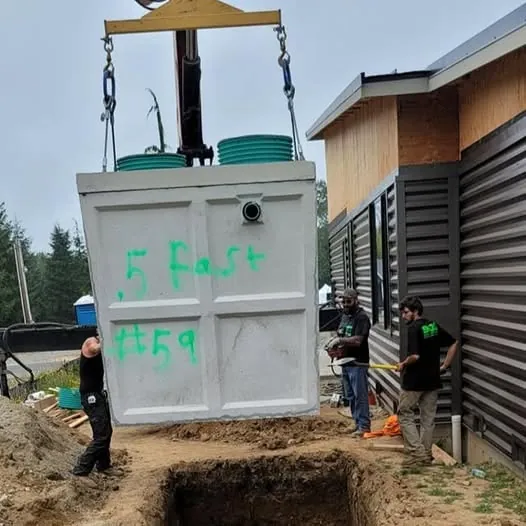

Septic failure can turn a dependable household system into a costly property problem when wastewater no longer moves, treats, or disperses as intended. For Edmonds homeowners, the warning signs may begin with slow drains, unpleasant odors, wet ground near the drainfield, or plumbing fixtures that back up more often than usual. Understanding what causes these problems can help protect the system before a manageable concern becomes a major repair or replacement project.
A septic system relies on several components working together. The tank separates solids from wastewater, while the drainfield gradually disperses treated liquid into suitable soil. When maintenance is delayed, the drainfield is overloaded, or site conditions are ignored, one weak point can affect the entire system. Preventing failure starts with knowing what stresses the system and when professional evaluation is needed.
Delayed Pumping Allows Solids to Reach the Drainfield
Routine pumping is one of the most important ways to protect a septic system. Solids naturally collect in the tank over time. If they are not removed before reaching a critical level, they can move into the drainfield and clog the soil where wastewater is supposed to disperse.
Once solids enter the treatment area, pumping the tank alone may not resolve the problem. The drainfield can lose its ability to absorb wastewater, creating standing water, odors, or recurring backups. Learning the signs of septic issues helps homeowners act before solids can cause long-term damage.
The right pumping schedule depends on the tank size, household occupancy, water use, and the amount of solid material entering the system. A home with a growing family, frequent guests, or high laundry use may need service sooner than a similarly sized home with lighter use.
Excessive Water Use Overloads the System
A septic system is designed to process wastewater at a controlled pace. Sending large volumes of water into the system in a short period can overwhelm the tank and drainfield. Several loads of laundry in one day, long showers, running toilets, plumbing leaks, and heavy guest use can all add stress.
Water conservation is not about avoiding normal household use. It is about spreading high-demand activities across the week and correcting plumbing problems before they send unnecessary water into the system. In Edmonds, periods of seasonal rain can also make already saturated ground less able to accept additional water from the drainfield.
A professional inspection can help identify whether the issue is routine overuse, a failing component, or a drainfield that is beginning to lose absorption capacity. Addressing the cause early is more cost-effective than waiting until wastewater reaches the surface.
Improper Waste Disposal Creates Hidden Damage

Septic systems are not designed to process every item that can go down a drain. Products labeled as flushable may still break down slowly or collect in the tank. Grease can harden and create blockages. Disposable wipes, feminine hygiene products, paper towels, cat litter, and other solids can accumulate quickly.
Chemicals also deserve careful consideration. Strong drain cleaners, solvents, paint products, and large amounts of antibacterial products can disrupt the natural bacterial activity inside the tank. Those bacteria help break down waste, so damaging that balance can reduce the system’s efficiency.
A simple rule is to use toilets only for human waste and toilet paper, while keeping food grease, household chemicals, and non-dissolving materials out of drains. Understanding septic system maintenance can help a household create habits that protect the system year-round.
Drainfield Damage and Soil Compaction
The drainfield needs open, healthy soil to absorb and treat wastewater. Driving vehicles over the area, storing heavy equipment there, installing structures, or compacting the ground can damage underground components and reduce the soil’s ability to accept water.
Roots can also interfere with pipes and treatment areas. Trees and large shrubs planted too close to the system may seek moisture around lines or the drainfield. Planning landscaping with the septic layout in mind keeps root systems and heavy loads away from sensitive areas.
Edmonds properties with limited usable yard space can make drainfield protection especially important. A system may function properly for years, then develop problems after a shed, patio, parking area, or landscaping change affects the treatment area. Maintaining a clear record of the septic layout helps homeowners avoid accidental damage.
Poor Installation or an Inappropriate Design
Some cases of septic failure are connected to the original system design. A drainfield must be sized for the home’s expected wastewater flow and matched to the site’s soil conditions. If the system is too small, poorly located, or designed without adequate soil evaluation, it may struggle from the beginning.
Older systems can also become less suitable after a home is expanded or a household grows. Adding bedrooms often changes the expected wastewater demand, even if the physical system remains the same. Comparing septic system repair and replacement options can clarify whether a targeted repair is practical or whether the existing system has reached the point where replacement is the wiser investment.
A properly planned installation considers household demand, soil absorption, setback requirements, reserve space, and long-term access. Skipping any of those details can increase the likelihood of early problems.
How to Prevent a Septic Failure
Prevention is less complicated than repairing a damaged drainfield. Schedule pumping based on professional guidance, repair plumbing leaks promptly, use water efficiently, and keep unsuitable materials out of drains. Protect the drainfield from vehicles, soil compaction, roots, and construction activity.
Inspections are also valuable when buying a home, preparing for an addition, noticing drainage changes, or experiencing repeat plumbing concerns. They provide a clear look at the tank, components, and treatment area before a small problem becomes an emergency.
Frequently Asked Questions
What is the most common cause of septic failure?
Delayed pumping is a common cause because solids can leave the tank and clog the drainfield, reducing its ability to absorb wastewater.
Can heavy rain cause septic problems?
Heavy rain can saturate surrounding soil and make it harder for the drainfield to disperse wastewater, especially when the system already has maintenance or drainage concerns.
How can I protect my septic drainfield?
Keep vehicles, structures, heavy storage, and deep-rooted landscaping away from the drainfield, and avoid directing roof or surface water toward the treatment area.
Do slow drains always mean septic failure?
No. Slow drains can have several causes, but repeated slow drainage throughout the home should be evaluated to rule out a septic system concern.
When It Is Time to Bring in a Professional
Repeated backups, sewage odors, wet ground near the drainfield, slow drains throughout the home, or unusually lush grass over the treatment area are all reasons to seek professional help. These issues do not always mean total system failure, but they should not be ignored.
A professional evaluation can determine whether the system needs pumping, repair, redesign, or replacement. At Schleg Valley Construction, we own our equipment, which supports a more streamlined process when a septic project requires hands-on work. For homeowners planning ahead, Edmonds septic system services can also provide a useful starting point for understanding local service needs.
If you are noticing warning signs, planning changes to your property, or concerned about septic failure in Edmonds, Schleg Valley Construction can help identify the cause and recommend the right next step. Contact us to discuss your septic system concerns.


