
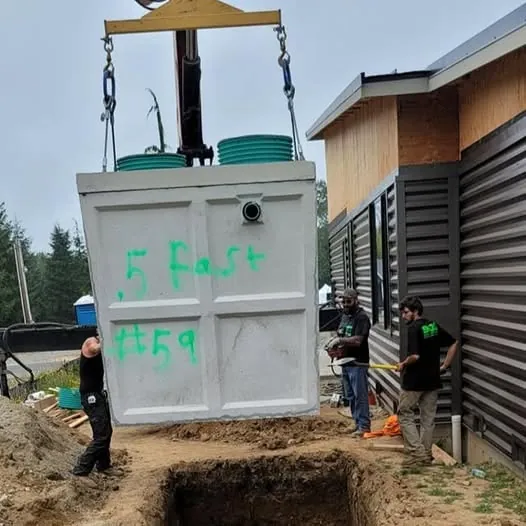

When planning a new build or replacing an aging system, choosing the right septic system installation for your property is one of the most important long-term decisions you can make. Soil conditions, property size, water usage, and local regulations all affect how well a system performs over time. In Smokey Point, property owners often deal with varying soil drainage conditions and lot layouts that require careful planning before excavation begins.
A properly-designed septic system supports daily household needs while helping avoid future backups, drainage problems, and expensive repairs. At Schleg Valley Construction, we handle septic projects with our own equipment and experienced crews, which helps streamline scheduling, excavation, grading, and installation from start to finish.
Understanding Conventional Septic Systems
Conventional septic systems remain one of the most common options for residential properties. These systems typically include a septic tank and a gravity-fed drain field that disperses treated wastewater into the surrounding soil. They work best on properties with well-draining soil and enough available space for a full drain field installation.
For many homeowners, a conventional system offers a lower initial installation cost compared to advanced treatment systems. In Washington, standard septic system installation projects can range from roughly $12,000 to $25,000 depending on excavation requirements, tank size, permits, and site preparation needs.
Properties with favorable soil conditions may benefit from simpler long-term maintenance as well. However, conventional systems are not suitable for every property. High groundwater levels, poor drainage, or limited space can create serious performance issues if the wrong system is selected. Property owners comparing layout requirements often review residential septic drain field planning before deciding on a final design.
When Pressure Distribution Systems Make Sense

Some properties in Smokey Point require more controlled wastewater distribution due to uneven terrain or challenging soil conditions. Pressure distribution systems use pumps and specialized piping to distribute effluent evenly throughout the drain field.
These systems help prevent oversaturation in one area and can improve long-term drain field performance. While they generally cost more than gravity systems, they often provide a more reliable solution for properties with elevation changes or limited usable land.
Pressure systems also allow more flexibility in drain field placement. That flexibility becomes important when structures, landscaping, wells, or setbacks reduce available installation space. In many cases, investing in the right system upfront prevents expensive redesigns or premature system failure later.
Choosing Between Concrete And Plastic Septic Tanks
Tank material selection also plays a role in long-term performance. Concrete tanks remain a popular option because of their durability and resistance to shifting. They are especially useful for larger properties or areas with unstable soil movement.
Plastic tanks, on the other hand, are lighter and easier to transport into difficult access areas. Some installations benefit from faster placement times when lighter materials are used. However, lightweight tanks may require additional anchoring depending on groundwater conditions.
Our team evaluates access routes, excavation depth, and long-term site conditions before recommending tank materials. Property owners researching excavation logistics sometimes benefit from learning more about site preparation and grading services when planning larger utility construction projects.
How Soil Conditions Affect Septic System Installation
Soil testing is one of the most critical parts of the septic planning process. Even a well-built system can fail if wastewater cannot properly filter through the surrounding soil.
During the evaluation phase, we examine drainage capacity, soil composition, slope conditions, and seasonal groundwater activity. Sandy soils generally drain well, while clay-heavy soils may require engineered treatment solutions or alternative drain field designs.
Perc testing helps determine how quickly water absorbs into the ground. Slow absorption rates may require larger drain fields or advanced treatment systems that reduce wastewater load before it reaches the soil.
Skipping proper soil evaluation can create major issues later, including sewage backups, standing water, foul odors, and premature drain field failure. These problems often lead to significant repair costs that could have been avoided during the planning stage.
Comparing Aerobic And Conventional Septic Systems
Aerobic systems introduce oxygen into the treatment process, allowing bacteria to break down waste more efficiently. These systems are commonly used on properties where conventional systems are not practical due to poor drainage or environmental restrictions.
Aerobic systems typically produce cleaner effluent and may require smaller drain fields. However, they also involve more components, including pumps, aerators, alarms, and electrical controls. That means higher installation and maintenance costs over time.
Conventional systems generally have fewer mechanical parts and simpler maintenance requirements. The best option depends on the property itself rather than choosing the cheapest installation.
Property owners comparing advanced wastewater solutions often explore engineered septic system solutions to better understand which systems fit difficult site conditions.
Avoiding Common Septic Installation Mistakes
One of the biggest mistakes property owners make is underestimating future household demand. Septic systems must be sized correctly for the expected number of occupants and water usage patterns. Undersized systems can become overloaded quickly, especially in growing households.
Another common issue involves poor contractor coordination. Septic installation requires excavation, grading, utility planning, drainage management, and equipment scheduling to work together efficiently. Since we own and operate our own equipment, we can better manage timelines and reduce delays during installation.
Drain field placement mistakes also create long-term problems. Trees, vehicle traffic, improper grading, and excess surface water can all damage drain fields over time. Proper site planning protects system longevity and helps reduce future repair risks.
In areas with changing lot conditions or utility expansion plans, homeowners may also need underground utility trenching services to coordinate future infrastructure needs during construction.
Frequently Asked Questions
How long does a septic system installation usually take?
Most septic system installations take several days to a few weeks depending on permitting, weather conditions, excavation requirements, and property accessibility.
What type of septic system works best for difficult soil conditions?
Properties with poor drainage or high groundwater levels often require engineered or aerobic septic systems that provide additional wastewater treatment before dispersal.
How often should a septic tank be pumped?
Most residential septic tanks should be pumped every three to five years, although household size and water usage can affect maintenance schedules.
Can heavy vehicles drive over a septic drain field?
No. Heavy vehicle traffic can compact soil, crush pipes, and damage the drain field, leading to costly repairs and reduced system performance.
Why is soil testing important before septic installation?
Soil testing determines drainage capacity and site suitability, helping ensure the septic system is properly designed for long-term performance and regulatory compliance.
Signs It May Be Time To Replace An Existing System
Older septic systems may begin showing warning signs long before complete failure occurs. Slow drains, sewage odors, soggy yard areas, and recurring plumbing backups can all indicate serious system deterioration.
In some cases, repairs may temporarily solve isolated issues. However, aging drain fields or damaged tanks often require full replacement once structural failure begins. Waiting too long can increase contamination risks and expand excavation costs.
Property owners considering replacement should also evaluate whether their existing system still meets current household demands. Modern usage patterns often place greater stress on older systems that were designed decades ago.
Why Professional Installation Matters
Septic installation is not just about placing a tank underground. Proper grading, pipe slope calculations, drainage management, soil protection, and code compliance all affect long-term system performance.
At Schleg Valley Construction, we manage projects with our own crews and equipment, helping reduce scheduling complications and improving project coordination from excavation through final installation. That streamlined process allows us to handle site conditions efficiently while maintaining quality control throughout the project.
Choosing the right septic system installation in Smokey Point requires careful planning, accurate site evaluation, and experienced installation practices. A properly-designed system protects your property, supports daily functionality, and helps avoid expensive future repairs. Contact us at Schleg Valley Construction to discuss your property and schedule a consultation for your septic project.


